
The Great British High Street: Are We Witnessing Its Death? Or Rebirth?
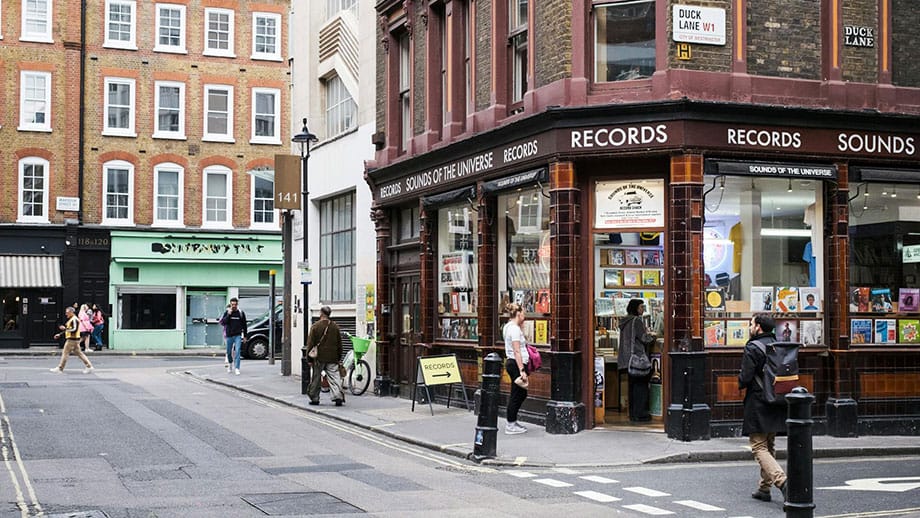
The UK high street, once the bustling heart of every town and city, is in the midst of a profound and sometimes painful transformation. There seem to be daily articles about the death of the high street, with its empty shopfronts and abundance of ‘To Let’ signs. And, unfortunately, the numbers back this up. In 2024, the UK saw a net loss of numerous chain stores, with predictions suggesting an even higher number of closures in 2025. This isn’t just a slow decline: it’s a ‘permacrisis’, driven by a perfect storm of economic pressures and shifting consumer habits.
So, what’s behind this dramatic change, and what does the future hold for our local shopping hubs?
The businesses closing their doors
The most visible casualties are the long-standing, traditional retailers. The names on the closing down lists read like a roll call of former high street titans: iconic department stores like Debenhams, fashion chains like Topshop, GAP and New Look, homeware staples like Wilko and beloved stationery store WH Smiths have shuttered many, if not all, of their physical high street stores. The reasons are a familiar tune: soaring commercial rents, hefty business rates, and the simple fact that a growing number of people prefer the convenience of online shopping.
But it’s not just the big names. Independent retailers are also being hit hard, making up the vast majority of all closures. Sectors like electrical goods, furniture, and shoe stores are particularly vulnerable, as they often rely on in-person browsing and expert advice; services that are being increasingly replaced by online research and reviews.
The decline is also evident in non-retail sectors. Banks such as NatWest and Lloyds are pulling out of the high street at an alarming rate, closing hundreds of branches in recent years. And this is a significant blow, as banks traditionally serve as ‘anchor tenants’, and driving footfall that benefits the surrounding shops.
The rise of new high street businesses
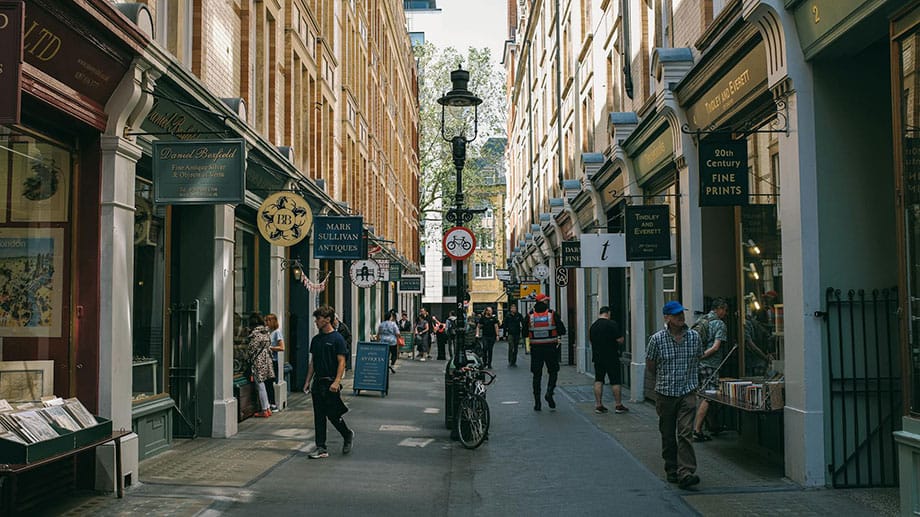
While the narrative is often one of decline, it’s not a complete picture of desolation. New businesses are opening, and the type of businesses they provide are a fascinating glimpse into the high street’s future.
- Food, drink and leisure
This is the most significant trend. As our relationship with the high street evolves from purely transactional to more experiential, in other words from ‘shopping to doing’, businesses that offer a social element are thriving. Cafes, restaurants, and bars are filling the spaces left vacant by retailers. So, if people are looking for places to meet friends, have a meal, or grab a coffee, the high street is well-positioned to serve this need. - Service-based businesses
The shift from a retail-centric high street to a service-oriented one is clear. Hair and beauty salons, nail bars, wellness centres and other personal care businesses are flourishing. This trend is a testament to the fact that some services simply cannot be replicated online. - Click & Collect hubs
With the rise of online shopping, physical stores are being repurposed as logistical hubs. ‘Buy Online, Pick Up In-Store’ (BOPIS) is a growing trend, and retailers are using their physical locations to reduce delivery costs and provide a convenient option for customers. This also has the added benefit of bringing people into the store, where they often make additional purchases. - Charity shops
With their lower overheads and business rates relief, charity shops are also a growing presence and provide an affordable option for consumers. They’re also a way to repurpose and recycle clothes, book and other goods that are no longer wanted, which fits in with a growing focus on sustainability.
The future: More than just a shopping destination
The key to the high street’s survival lies in its ability to adapt. A House of Lords report from November 2024 concluded that the “dominance of retail on high streets is something of the past.” Instead, the future high street will be a mixed-use space, and a community hub that offers a variety of experiences.
- The ‘Phygital’ store
The most successful retailers are those that seamlessly blend the physical and digital worlds. This ‘phygital’ approach uses technology to enhance the in-store experience, with things like interactive displays, augmented reality and mobile apps that offer personalised recommendations. - Experiential retail
The future of physical retail is less about a simple transaction and more about an immersive, engaging experience. This could be anything from a craft store offering workshops to a clothing brand hosting a pop-up event. The goal is to give customers a reason to leave their homes and visit a physical location. - Community and public services
The high street could also become a home for public services like health centres, libraries, and co-working spaces. This not only increases footfall but also reinforces the high street’s role as the central point of a community.
Will shops still be part of our future?
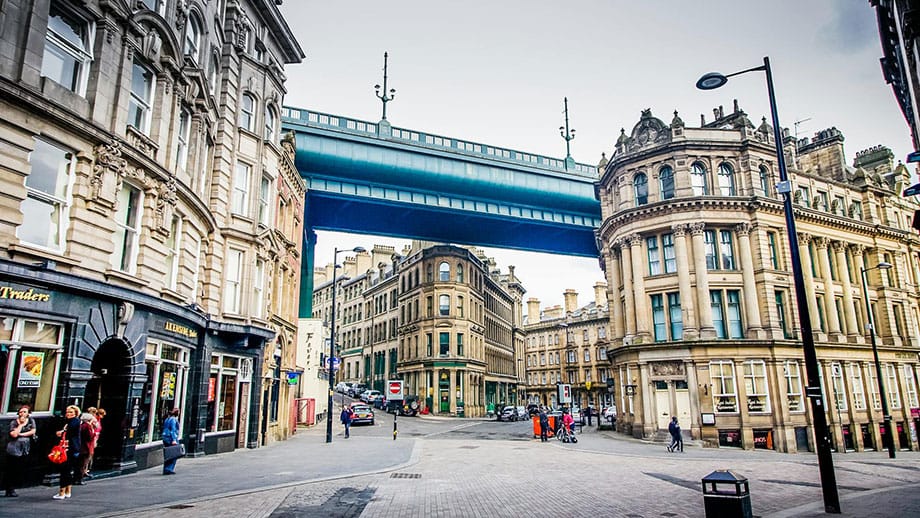
The short answer is yes, but not in the way we’ve always known them. The idea that everything will be done online is a myth. The allure of a tangible shopping experience, with the ability to see, touch, and try a product, cannot be replicated by a computer screen. Plus, people crave social interaction and immediate gratification, both of which are central to the in-store experience.
The future of the high street isn’t about competing with online shopping: it’s about complementing it. It’s a shift from being a place of pure commerce to a destination for leisure, community, and experience. The UK high street is not dead, it’s simply being reborn, with a new purpose and a new identity.
The challenges are real, but so are the opportunities for those who are willing to innovate and embrace the change.
If you’re planning a new retail concept or rethinking your brand experience, we’d love to collaborate. Let’s talk about how great design can elevate your next project.